17.07.2026, Salaspils Camp
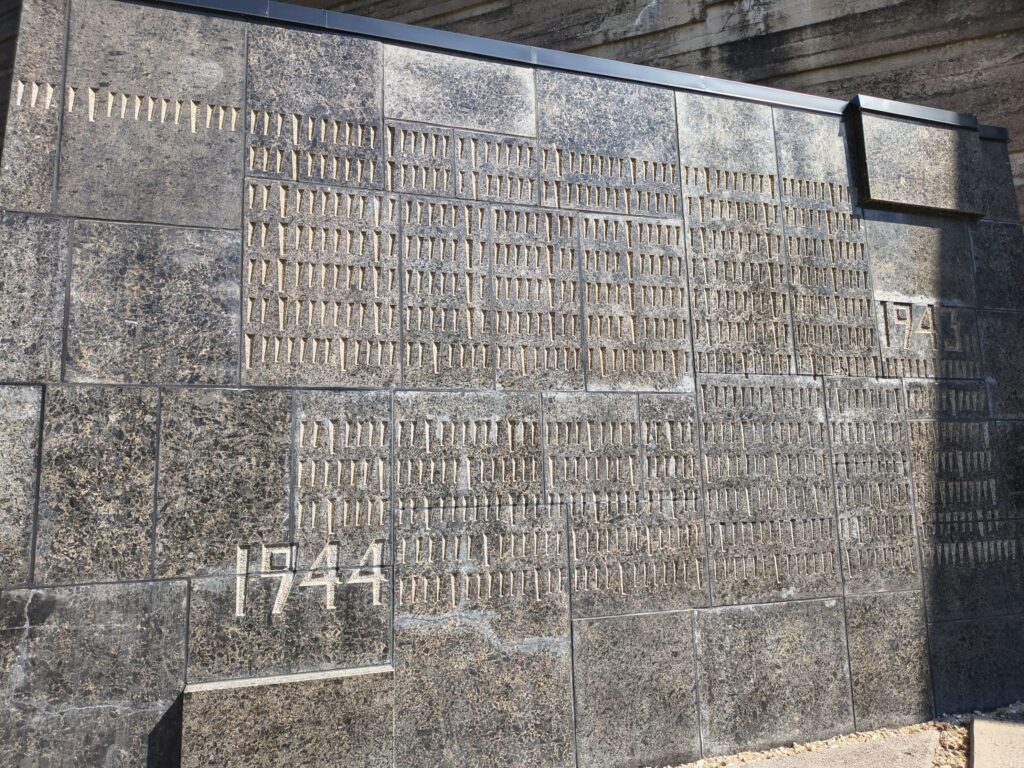
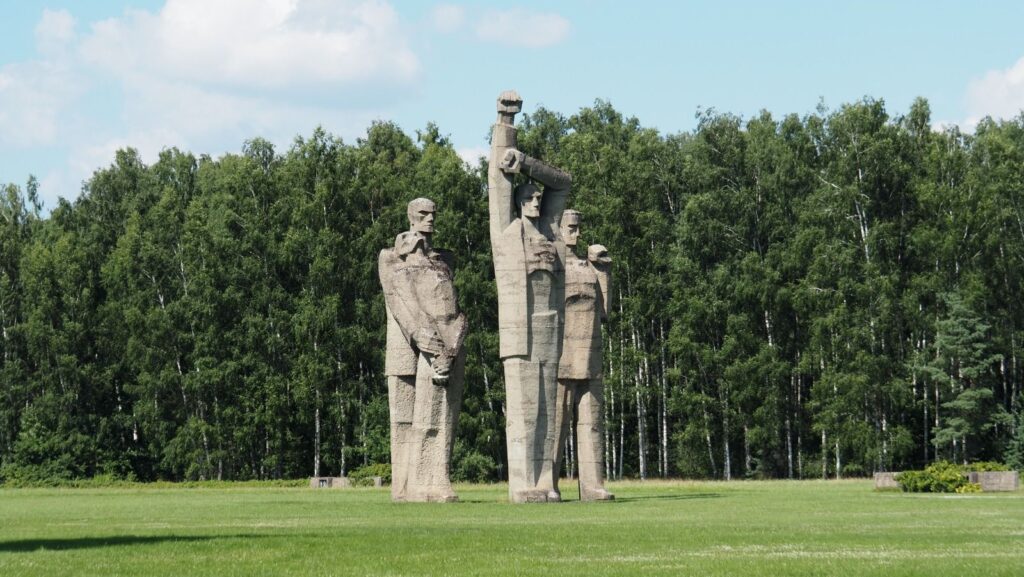
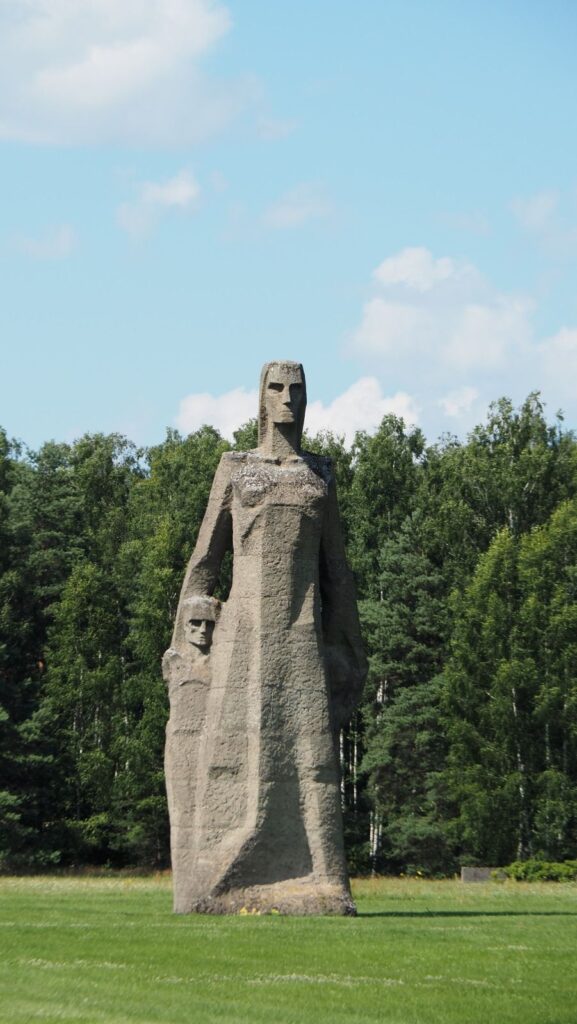

Salaspils Camp (1941-1944)
Salaspils Camp was a repressive punishment camp created by Nazi Germany in occupied Latvia. Construction began in November 1941, and in May 1942, a double barbed wire fence was installed around the camp. Prisoner barracks were arranged in a horseshoe form in three rows. Each barracks held approximately 200 people, bet there are indications that sometimes they housed over 600. In May 1943, a total of 30 barracks had been built; half were occupied by inmates, but the remainder were used for various purposes. The Camp was guarded by armed guards, who were located on six guard towers 6-7 meters high and 60-70 meters apart surrounded by a barbed wire fence; prisoners were not allowed to approach the fence closer than 20 meters. At the centre was a water tower with searchlights, machine guns and a siren, which was activated during escape attempts.
Salaspils Camp was officially know as an extended police prison and labor correction camp (Erweitertes Polizegefängnis und Arbeitserziehungslager), because it was subordinate to the Commander of the Security Police and SD in Latvia, SS Sturmbannführer Rudolf Lange, and not the concentration camp administration in Berlin. The Camp was created as an „extended police prison“ for political prisoners, and in the summer of 1942, its purpose was extended as a „labor correction camp“ for those who did not follow work regulations. In the beginning of 1943, a special section was opened for members of Baltic Police Battalions and Legionnaires tried and convicted by the SS and police court. Later, Salaspils Camp became a transit camp for civilians brought from Belorussia, Russia, and Latgale, who were later sent as labourers to Germany. In December 1943, transfer of political prisoners from Salaspils to concentration camps in Nazi-occupied Poland and Germany began: by the end of the war, approximately 4000 people had been transferred of whom more than 1500 died. A few months before the closure of the camp, about 2000 prisoners were enrolled in various military units.
Data indicates that approximately 23 000 people may have been imprisoned in Salaspils Camp: half were political prisoners, work avoiders and convicted soldiers, and the remainder were prisoners resulting from special campaigns against civilians in Belorussia, Russia and Latgale. During the winter of 1941/1942, extreme living and work conditions resulted in the deaths of approximately 1000 Jews brought from Germany, Austria, and Czechoslovakia for construction of Salaspils Camp. From May 1942 to September 1944, about 400-500 people died from disease, over 30 were shot for planning or attempting to escape, 100-150 people died from extreme work conditions or as a result of brutal punishments, and several hundreds of children died from insufficient nourishment, humiliation, illness, and epidemics. The death toll at Salaspils Camp reached 2000 at least, but if the number of Jews who died during construction is included, the figure reaches well over 3000
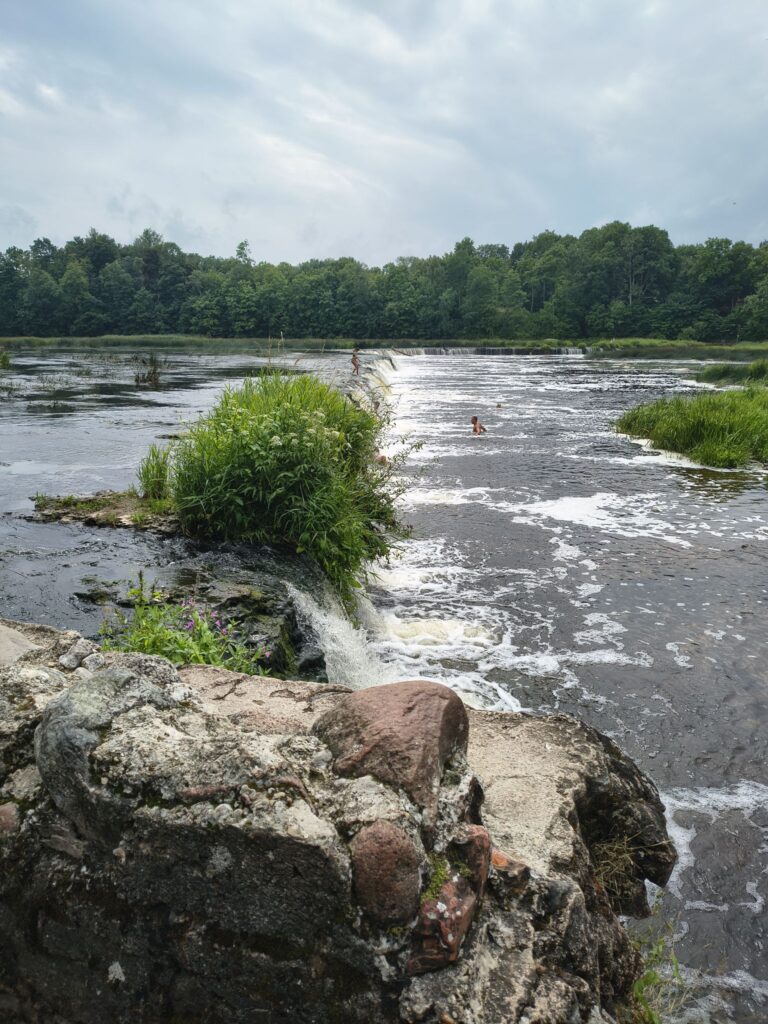
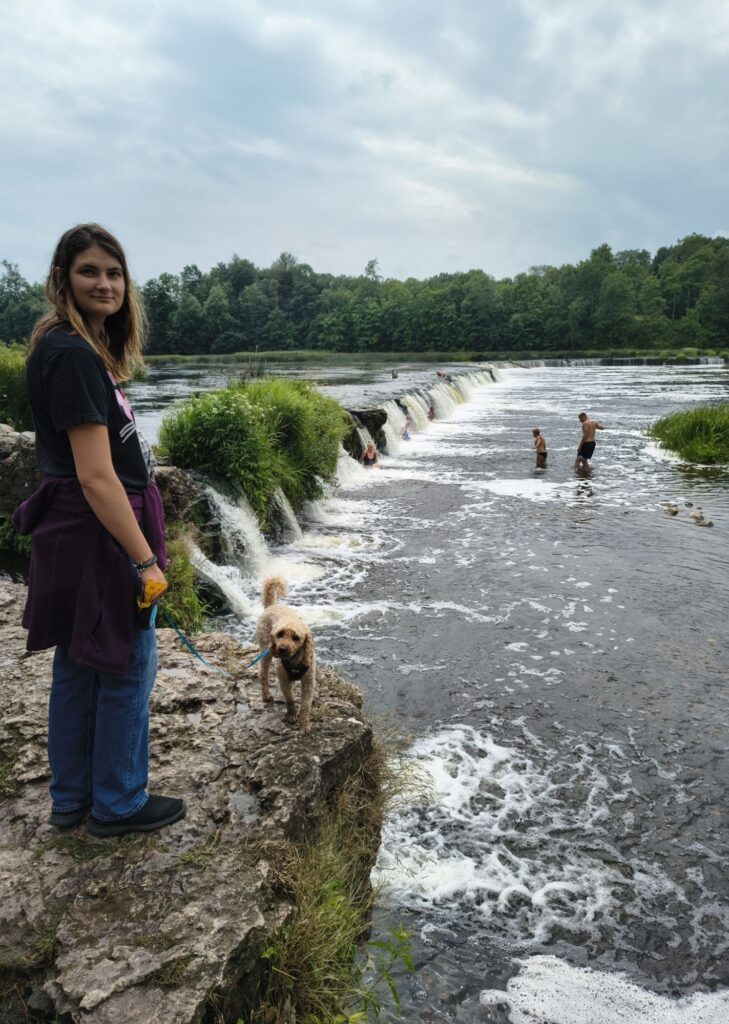
Venta Wasserfall, 18.07.2026 – breitester Wasserfall Europas